
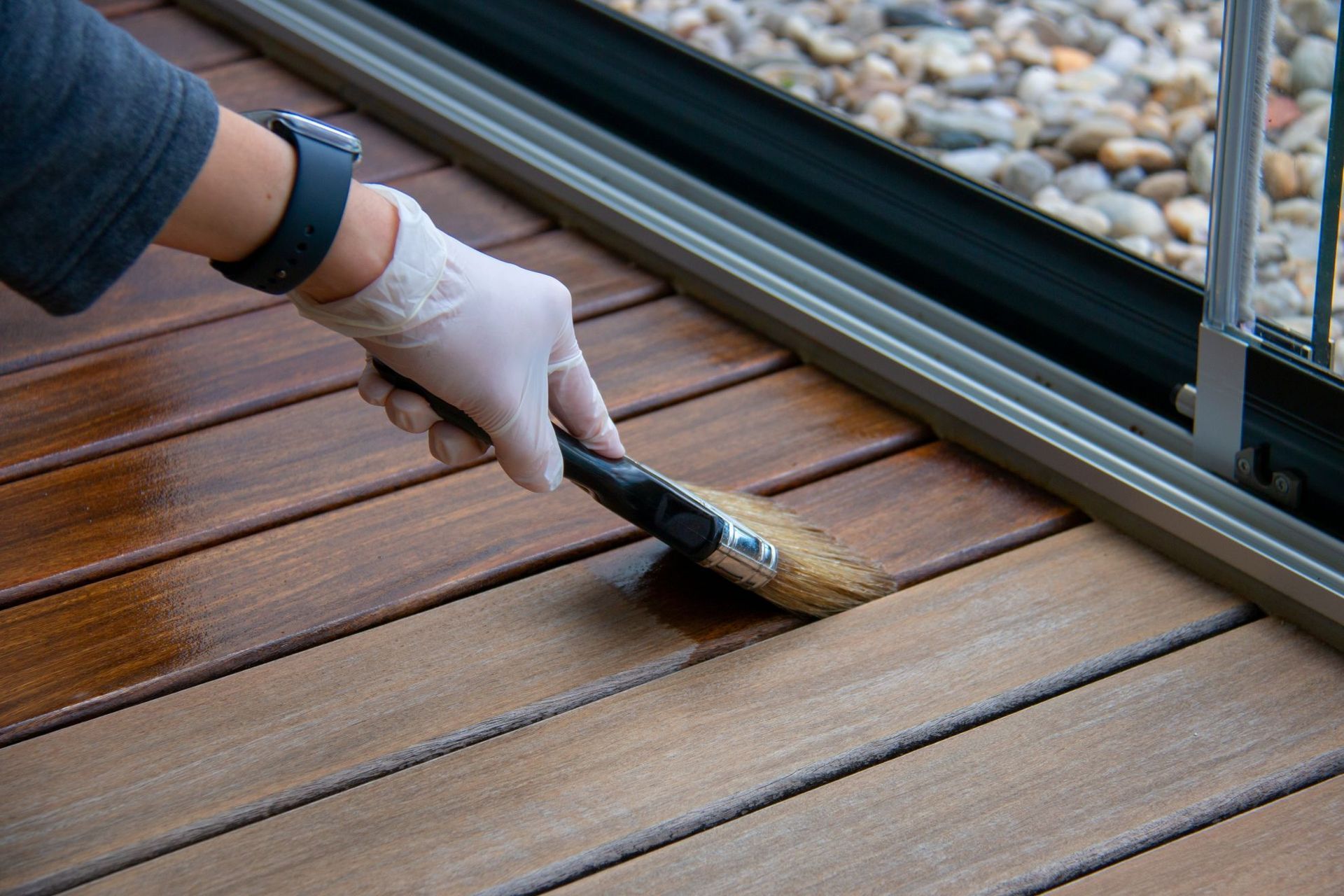
Restore Hardwood Without Starting From Scratch
Wood Floor Refinishing in Honolulu for floors with deep scratches, worn finish, and visible water damage that dull natural wood grain
Islander's Home Solutions refinishes wood floors in homes throughout Honolulu, restoring surfaces that have lost their luster from years of foot traffic, furniture scuffs, and exposure to sunlight. You see the wear when the finish has thinned to bare wood in high-traffic paths or when dark water stains appear near entryways.
Refinishing involves sanding the floor down to fresh wood, removing scratches, stains, and the old finish layer. Sanding happens in stages, starting with a coarse grit to level the surface and progressing to finer grits that smooth the wood before any new finish is applied. In established neighborhoods like Pearl City and Aiea, this process extends the life of original hardwood floors without the cost or disruption of full replacement.
Schedule a refinishing assessment and estimate to learn what your floors need and how long the work will take.
What Changes After Sanding and Refinishing
You start by clearing the room of furniture and covering doorways to contain dust generated during sanding. A drum sander or orbital sander removes the top layer of wood, cutting through scratches and discoloration until the surface is uniform in color and texture.
Once the new finish cures, you walk on a floor that reflects light evenly, with grain patterns visible and no sticky or rough spots underfoot. The finish seals the wood against moisture and minor spills, and the surface no longer catches on socks or bare feet. Islander's Home Solutions applies multiple coats of polyurethane or oil-based finish, allowing each coat to dry fully before buffing and adding the next layer for a smooth, durable result.
Deep gouges that penetrate below the surface layer may not sand out completely, and boards with severe rot or structural damage require replacement before refinishing begins. The work does not include patching large sections of subfloor or addressing squeaks caused by loose joists.
Refinishing Questions From Homeowners
People often ask about dust control, drying times, and how refinishing affects different wood types.
How long before you can walk on the floor after refinishing?
The final coat needs at least 24 hours to dry enough for light foot traffic, but full curing takes several days, so you avoid placing rugs or heavy furniture until the finish hardens completely.
What happens if the wood is uneven after years of wear?
Sanding levels minor dips and high spots by removing more material from raised areas, but severe unevenness caused by subfloor settling requires structural repair before refinishing.
Why does the finish look darker in some areas after application?
Inconsistent absorption happens when parts of the floor are denser or have residual moisture, so proper sanding and drying time between coats help achieve uniform color.
When should you stain the wood instead of leaving it natural?
Stain evens out color differences between boards or matches the floor to existing trim, but it adds a step and extends drying time before the protective topcoat goes on.
What type of finish works best in homes with pets?
Water-based polyurethane dries faster and resists scratches better than oil-based options, making it practical in Waianae homes with dogs or cats that move across the floor frequently.
Islander's Home Solutions assesses your wood floors to determine whether refinishing will restore them or if board replacement is needed first. Contact the team to review your flooring and receive a detailed estimate.