
Water-Resistant Floors That Look Like Real Wood
Vinyl Plank Flooring in Honolulu for kitchens and bathrooms where moisture exposure leads to swelling and warping
Islander's Home Solutions installs vinyl plank flooring in homes across Honolulu, replacing surfaces that can't handle daily exposure to water, spills, and humidity. You notice the problem when your current floor buckles near the dishwasher or when edges lift in the bathroom after a shower.
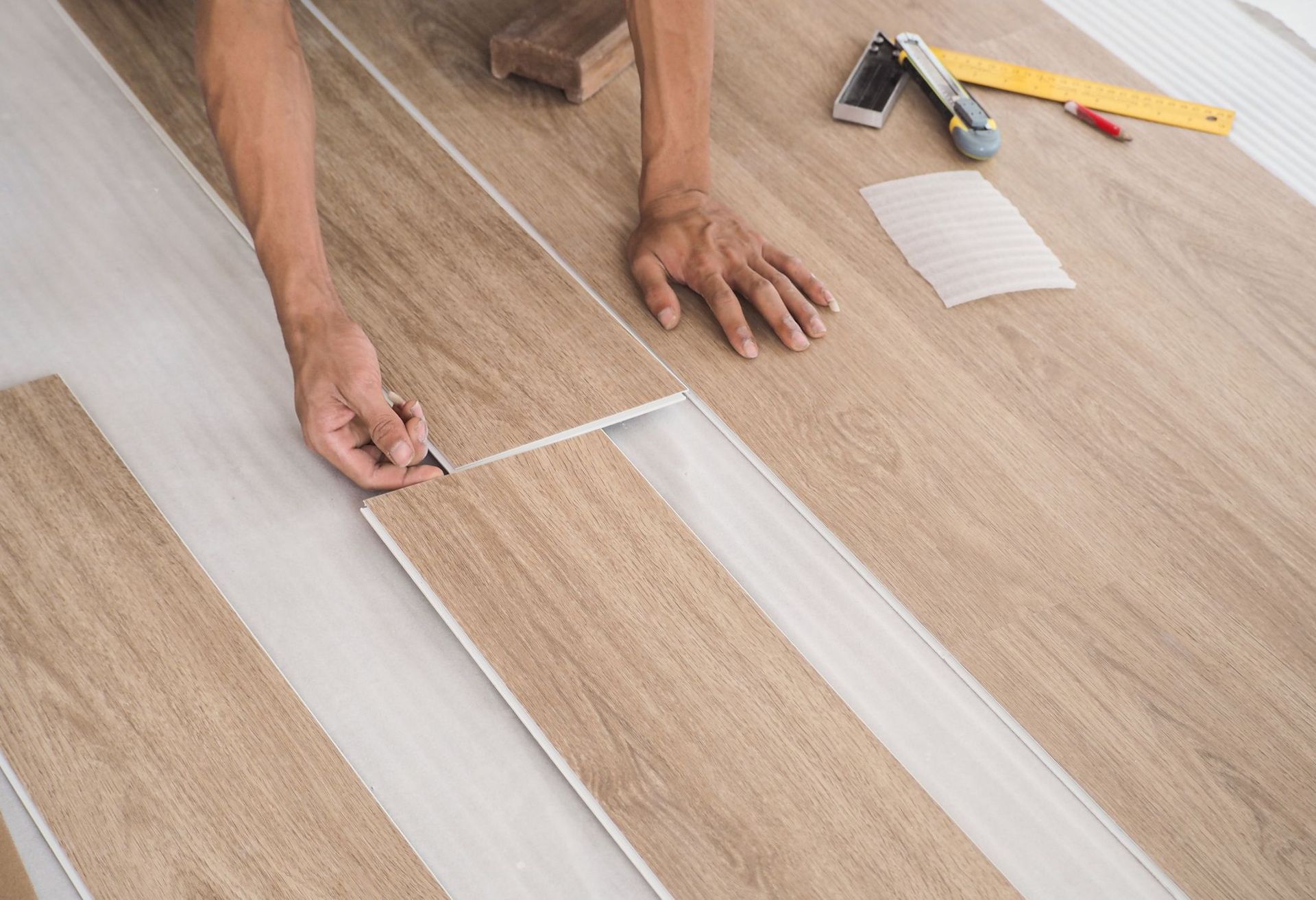
Vinyl plank mimics the grain and color variation of hardwood but uses a waterproof core that won't expand when wet. Each plank locks together without glue, creating a floating floor that can be installed over most existing surfaces once they are clean and level. In active households across Kapolei and Waipahu, this material holds up to foot traffic, dropped items, and repeated cleaning without showing scratches or fading.
Contact the team for product selection guidance and an installation estimate tailored to your rooms.
How Vinyl Plank Performs in High-Moisture Areas
You begin by selecting plank width, color, and texture from samples that show how the finished floor will look under your lighting. Wider planks cover more area with fewer seams, while narrow planks suit smaller rooms where long runs would look disproportionate.
After installation, you walk on a floor that feels firm underfoot, with no give or hollow sound when stepped on. Spills wipe up without leaving stains, and the surface resists scuffs from chair legs and pet claws. Islander's Home Solutions installs each plank with joints offset to prevent long seams that could catch debris or separate under stress.
This flooring does not require sealing or refinishing over time. Regular sweeping and damp mopping keep it clean, but harsh abrasives or steam mops can damage the wear layer, so those are avoided.
What Homeowners Ask About Vinyl Plank
Questions often focus on installation, durability, and how vinyl plank compares to other flooring types.
How does vinyl plank handle standing water?
The waterproof core prevents the planks from swelling or warping, but standing water should still be wiped up promptly to avoid seeping into seams or reaching the subfloor beneath.
What thickness is best for a living room with heavy furniture?
Thicker planks, typically six to eight millimeters with an attached underlayment, resist denting and provide better sound dampening in rooms with couches, tables, and frequent use.
Why do some planks click together and others require glue?
Click-lock planks install faster and allow for easier future replacement, while glue-down planks sit flatter on uneven subfloors and work better in commercial or high-traffic settings.
When should you replace the underlayment beneath vinyl plank?
If the existing underlayment is torn, compressed, or retains moisture, it comes out before the new floor goes down to prevent uneven surfaces and noise when walked on.
What pattern works best in a narrow hallway?
Running planks lengthwise along the hallway makes the space feel longer and uses fewer cuts, reducing waste and seams that could catch or lift over time.
Islander's Home Solutions helps homeowners in Waianae choose vinyl plank that fits their space and budget, then installs it with attention to levelness and seam alignment. Reach out to discuss your project and set up an estimate.